
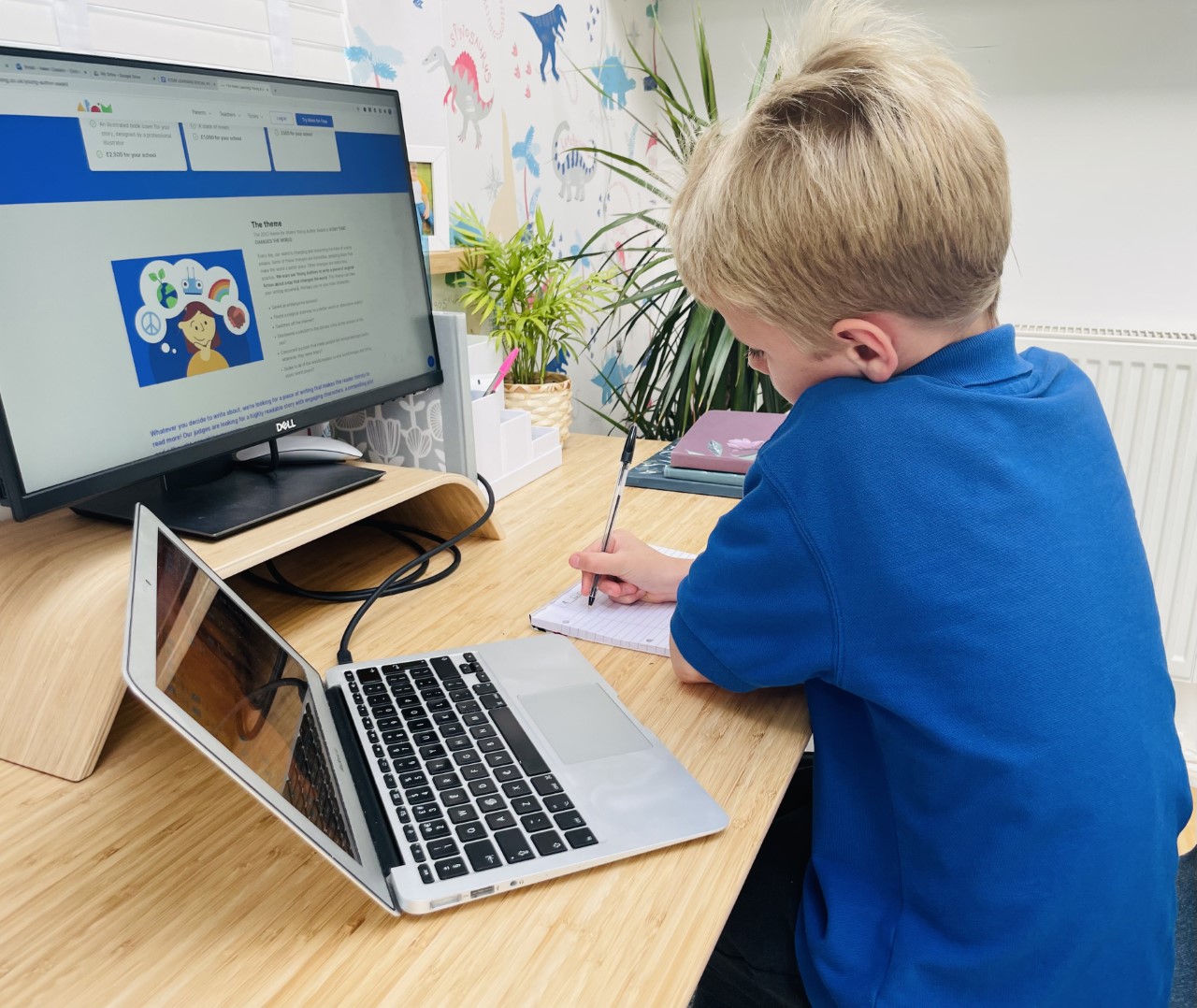
Helping children to succeed academically is not just about what takes place at school. Learning is a journey that extends beyond the school environment and parents play a very critical role in supporting a child’s development. While professional tutors provide expert guidance, the strategies you put into place in your home will reinforce learning, build confidence and help foster a positive attitude toward education.
This is a collaborative post
In this blog, we explore some practical ways parents can help their children thrive academically without overstepping boundaries, using tools like online tutoring to complement home support.
1. Establish an Environment that Supports Learning
First, children need to have an appropriate environment for studying at home. A quiet, specific area away from distractions can make all the difference in the world.
Minimise distractions: Keep phones, TVs and noisy activities away during study time.
Ensure good lighting and ergonomics: a well-lit desk or table, a comfortable chair and proper organisation can improve focus.
Ensure essential materials are available: pencils, paper, a calculator, or any subject-specific resources. A favourable atmosphere urges children to approach learning with the appropriate concentration and motivation; it also indicates to them that education is important and valued.
2. Set Realistic and Consistent Routines
Children thrive on routine. A daily study routine helps them manage their workload and reduce stress.
- Set regular times to study – preferably at the same time every day.
- Divide work into manageable segments to avoid overwhelm.
- Short breaks to keep concentration and avoid fatigue.
Consistency helps children cultivate time management skills. As time goes by, they learn to take responsibility for their learning and are less likely to procrastinate.
3. Encourage Active Participation
Learning is not all about reading or completing a worksheet. Let your child participate in the learning.
1) Ask questions: Discuss what they learned at school and encourage them to explain it back to you;
2) Use practical examples: when applying concepts to real-life situations, such as measuring ingredients while cooking to reinforce fractions or budgeting to practice basic maths;
3) Promote curiosity: Whether through books, documentaries or online, let the child go ahead to explore further their area of interest. Active engagement helps children retain information better and builds critical thinking skills that are crucial for success in exams and beyond.
4. Communicate Positively About Learning
Your attitude towards education influences your child’s mindset. Encouragement, praise and constructive feedback help children develop resilience and confidence.
- Emphasise effort, not just outcome;
- Focus on persistence, problem-solving and creativity;
- Avoid negative connotation regarding mistakes;
- reframe them as learning opportunities.
Encourage reflection: Ask “What did you enjoy learning today?” or “What challenged you?” Positive reinforcement nurtures motivation and helps children develop a healthy relationship with learning, reducing anxiety around assessments and tests.
5. Collaborate with Teachers and Tutors
The key to successful learning is the partnerships between parents, teachers and tutors. Keeping the lines of communication open ensures that support at home complements what your child is learning at school.
Regular follow-up: Ask teachers for feedback on the child’s progress and areas of difficulty.
Share insight: Let the tutors know what works best at home so they can tailor their sessions to meet your child’s needs.
Coordinate learning goals: Align schoolwork, homework and tutoring sessions to avoid duplication or gaps in understanding.
Online tutoring can be especially useful here, offering flexible scheduling and personalised support that fits around your child’s schedule.
For students preparing for important standardized exams, providers such as Intuitive Test Prep can offer specialized ACT, SAT, and GRE tutoring that can be integrated with school-based learning goals to create a more cohesive educational experience.
6. Foster Independence and Responsibility
Home support also includes encouraging children to take ownership of their learning. While guidance is essential, it is the fostering of independence that helps to create confident, skilled learners in the long term. Provide opportunities for self-directed learning – Let them decide which areas to concentrate on first. Encourage goal-setting – Short-term goals for homework and longer-term goals for exams or projects. Guide rather than dictate – Give advice and support, but let your child attempt tasks for themselves first. When children learn to manage their own learning, they become more resilient, adaptable and motivated.
7. Use Technology Wisely
Technology is a great tool that can support learning, provided it is applied efficiently. There are educational apps and websites that interactively reinforce classroom concepts. Digital quizzing and flashcards help memorise and allow self-assessments. Online tutoring platforms, such as Edumentors, provide extra practice, feedback and allow clarification of concepts that are tricky. Technology application should complement, not replace, traditional modes of learning. Monitoring screen time and ascertaining whether the content is appropriate is very important.
8. Balance Learning With Wellbeing
Supporting learning at home should never be at the expense of your child’s mental health. A balanced routine should include time to relax, engage in hobbies, exercise and socialise.
- Encourage regular physical activity to improve focus and decrease stress.
- Permit time for hobbies or creative outlets that develop other talents.
- Model healthy habits yourself.
Children are much more likely to follow suit. Balanced routines help in keeping the children motivated and engaged for study sessions.
9. Know when to step back
Sometimes, the best thing you can do for your child is to give them space. Too much involvement can be stressful or lead to dependency. Trust the systems in place, teachers, tutors and the child’s own efforts and focus on providing encouragement and guidance rather than doing tasks for them.
10. Conclusion
It’s about guidance, structure and encouragement when supporting learning at home. Parents can create a positive environment, establish consistent routines, encourage independence and work in partnership with teachers or tutors to build significantly upon their child’s educational experience. Online tuition and other professional support can supplement the home strategies by filling the gaps in knowledge and giving personalised attention, while parental involvement and tutoring together help the children build confidence, resilience and a love for learning beyond the school years.
How did I do?
Did you enjoy this post? If so, you should check out more of the ‘usual’ type of stuff I write. Honest, relatable rants about parenting three young boys. With a touch of swearing and a lot of sarcasm. You’ll like it! Check out my Mum Life section or head to my Travel Section for some UK family holiday and days out inspiration.
If you like a bit of social media madness, pop over to my Facebook page where you’ll be able to have a laugh at what ridiculousness goes on in my house with three boys on a daily basis. Warning – there is often sarcasm, and usually swearing. There are also great travel reviews and the odd giveaway. Feel free to join my Twins, Tantrums and Cold Coffee – Shits and Giggles Parenting Group too, where everyone shares their hilarious stories.
If you like what you see, how about you check me out on Pinterest, Instagram, Threads and TikTok too.
And if you want to work with me, feel free to give me a shout at helen@twinstantrumsandcoldcoffee.com and I’ll get back to you.